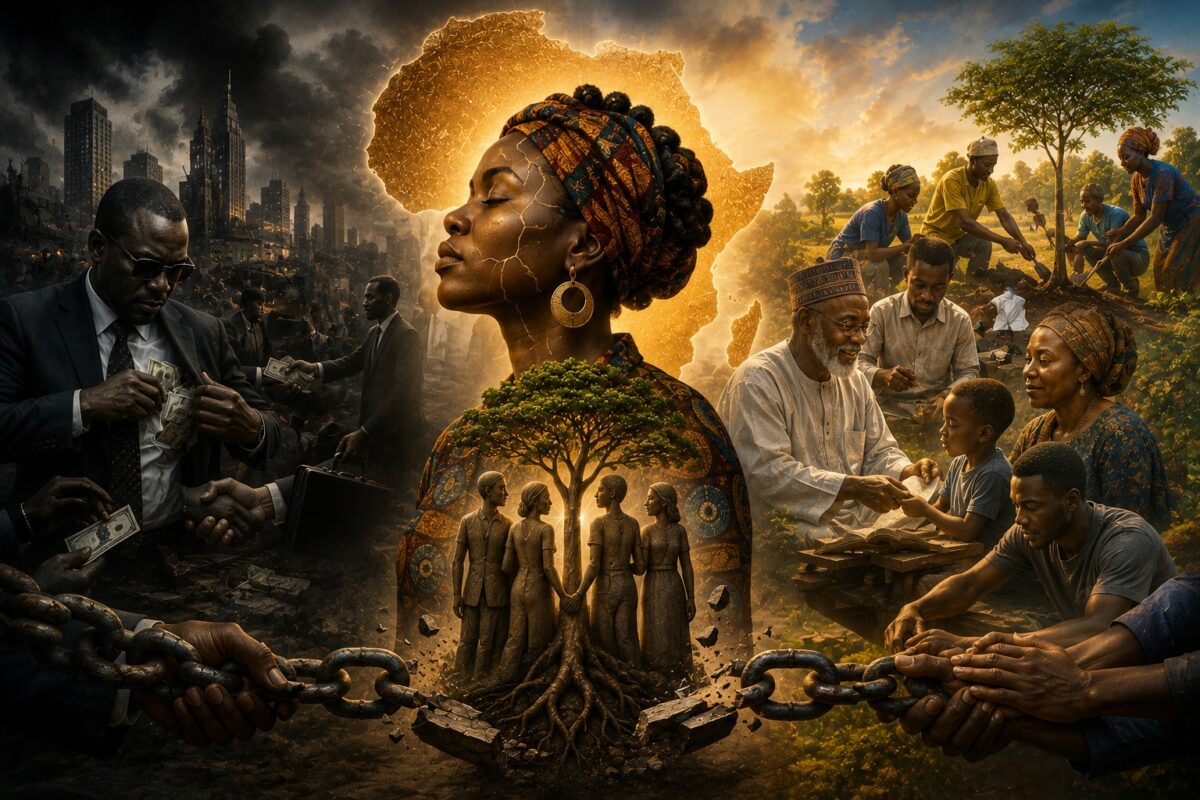
Corruption is a universal phenomenon, a global challenge which has debilitated the growth and development of many countries, especially developing nations. It has impeded the general and holistic welfare of their citizens making them to live lesser than human. However, the level of corruption in Nigeria is alarming; manifesting itself in diverse forms particularly in the form of gift-giving in exchange for favour, injustice, nepotism, bribery, kickback, embezzlement and misappropriation of public funds among others. The magnitude and effects of these are diverse forms of social menaces which have collectively succeeded in ranking Nigeria the 144th corrupt nation out of 175 countries, according to the 2018 corruption Perception Index reported by Transparency International. Understanding that corruption is cankerworm to any national advancement, various administrations of government devised different strategies and measures to combat corruption. Yet, the problem keeps aggravating because those strategies fail to take cognizance of African‟s worldview to solve the problem of Africans. It is against this backdrop that this paper adopts critical method to show that African humanism is rich and dynamic to solve the problem of corruption in the contemporary society, for it gives credence to the dignity and welfare of man and emphasizes the need to eliminate corruption which is injurious to human life. The paper concludes that African Humanism a paradigm which takes roots in African culture and identity is important in fashioning solutions to the myriads of Africa‟s problems and challenges of corruption.
African Humanism, Panacea, Corruption, Contemporary, Society